
The Indus Waters Treaty: 60 Years of Transboundary Hydro-Diplomacy
How India and Pakistan have successfully maintained a World Bank-brokered water treaty across wars, climatic stress, and glacial retreat.

When the British partitioned British India in 1947, the newly drawn international boundary cleaved the Indus River basin in two: the upper headwaters fell in India, while the extensive downstream gravity-flow irrigation canal networks remained in Pakistan.
### The 1960 World Bank Agreement
Brokered by the World Bank, Indian Prime Minister Jawaharlal Nehru and Pakistani President Ayub Khan signed the **Indus Waters Treaty** in Karachi on September 19, 1960.
Under this historic treaty:
* **The Eastern Rivers (Ravi, Beas, Sutlej):** Allocated for unrestricted use by India.
* **The Western Rivers (Indus, Jhelum, Chenab):** Allocated primarily to Pakistan, with India retaining conditional rights for run-of-the-river hydroelectric generation.
Despite three major wars between the nations since signing, the treaty has survived uninterrupted for over six decades, serving as the world's most enduring example of transboundary hydro-diplomacy.
Founder & Platform Administrator • The RiverAtlas Geographic Publishing Unit
Ammy Saini is the founder, chief administrator, and lead curator of The RiverAtlas (theriveratlas.info), directing global river hydrography, cartographic mapping datasets, and geographic publication integrity.
Related Geographical Research
Top 10 Longest Rivers in the United States (Ranked by Length & Discharge)
A definitive geographic ranking of America's longest waterways, exploring the Missouri-Mississippi system, Yukon, Rio Grande, and Columbia basins.
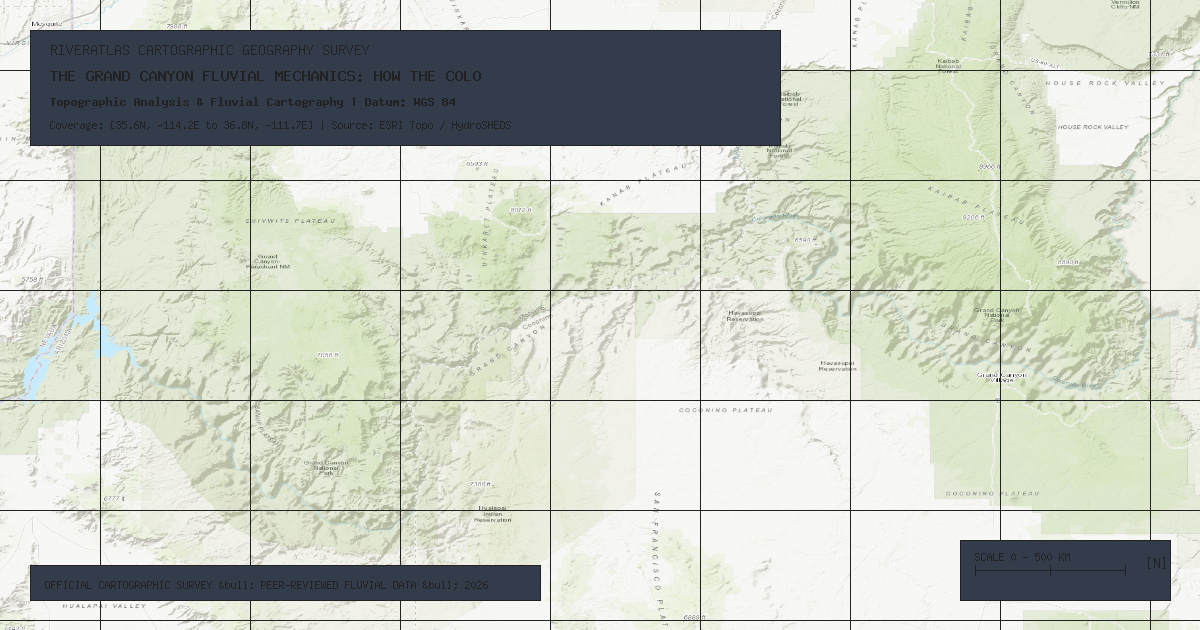
The Grand Canyon Fluvial Mechanics: How the Colorado River Carved a Continental Wonder
A geological examination of antecedent stream incision, Colorado Plateau tectonic uplift, and abrasive bedload hydraulics across 6 million years.
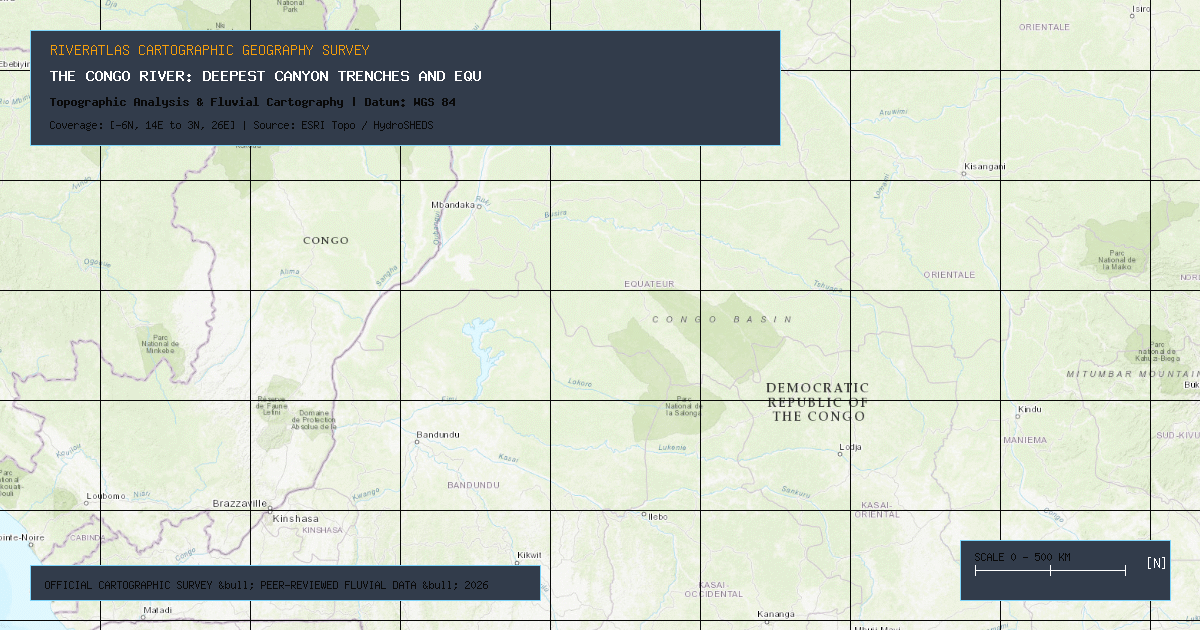
The Congo River: Deepest Canyon Trenches and Equatorial Hydrology
Why the Congo reaches staggering depths exceeding 220 meters and how its dual equatorial crossing creates a remarkably steady year-round discharge.