Xingu River: Belo Monte Hydroelectric Complex & Indigenous Fluvial Sovereignty
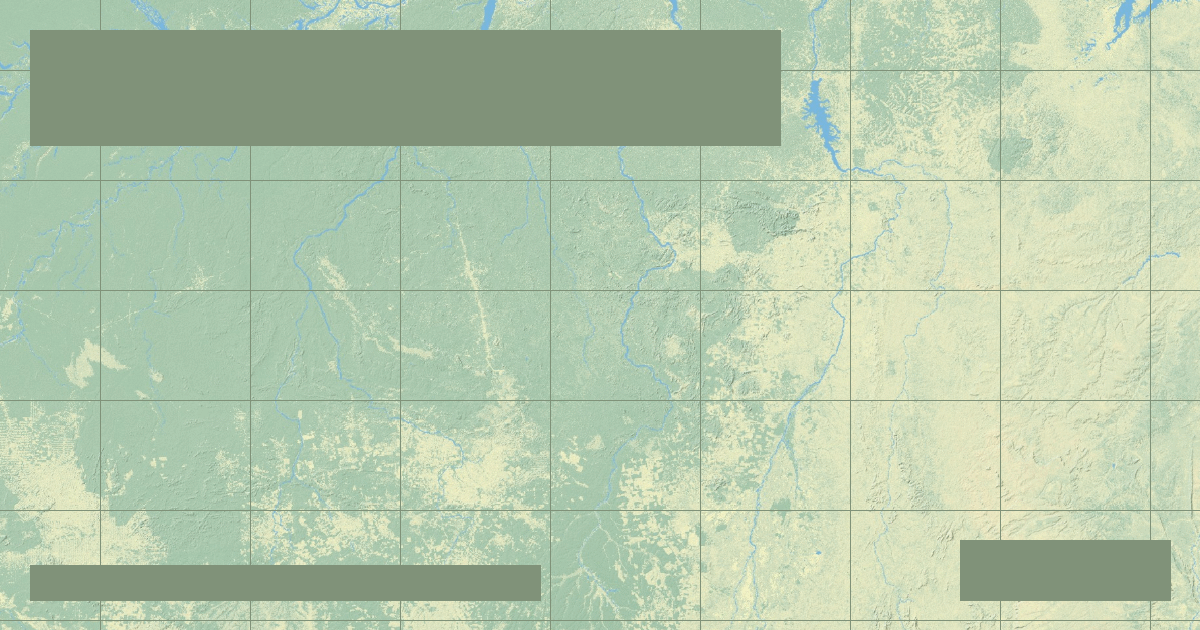
The 1,020-mile Xingu is home to the world's fourth-largest dam, Belo Monte, which diverts 80% of the Big Bend (Volta Grande) water flow from indigenous tribes.
In-depth studies in river hydrology, fluvial geomorphology, transboundary water treaties, and cartographic analysis.
The 1,020-mile Xingu is home to the world's fourth-largest dam, Belo Monte, which diverts 80% of the Big Bend (Volta Grande) water flow from indigenous tribes.
Rising from the Shannon Pot karst spring, Ireland's 224-mile river meanders through vast raised peat bogs to power the historic 1929 Ardnacrusha hydroelectric scheme.
Spanning 1,368 miles through Russia, Belarus, and Ukraine, the Dnieper features six colossal hydro reservoirs, including the Dnipro Hydroelectric Station.
Flowing 106 miles through Glasgow to the Firth of Clyde, this river was deepened from a knee-deep stream by civil engineering dredging to become the shipyard of the British Empire.
Draining Lake Baikal and Central Siberia over 2,167 miles, the Yenisey discharges more water into the Arctic Ocean than any other river, powering giant arch dams.
Western Asia's longest river flows 1,740 miles across Turkey, Syria, and Iraq, heavily altered by Turkey's 22-dam Southeastern Anatolia Project (GAP) and Keban Dam.
Rising at Mahabaleshwar at 4,385 feet, the 870-mile Krishna drives heavy Deccan agriculture through giant multi-stage impoundments like Almatti and Nagarjuna Sagar.
Flowing 1,020 miles along the arid border of Senegal and Mauritania, this river is managed jointly by four sovereign nations through the pioneering OMVS water commission.
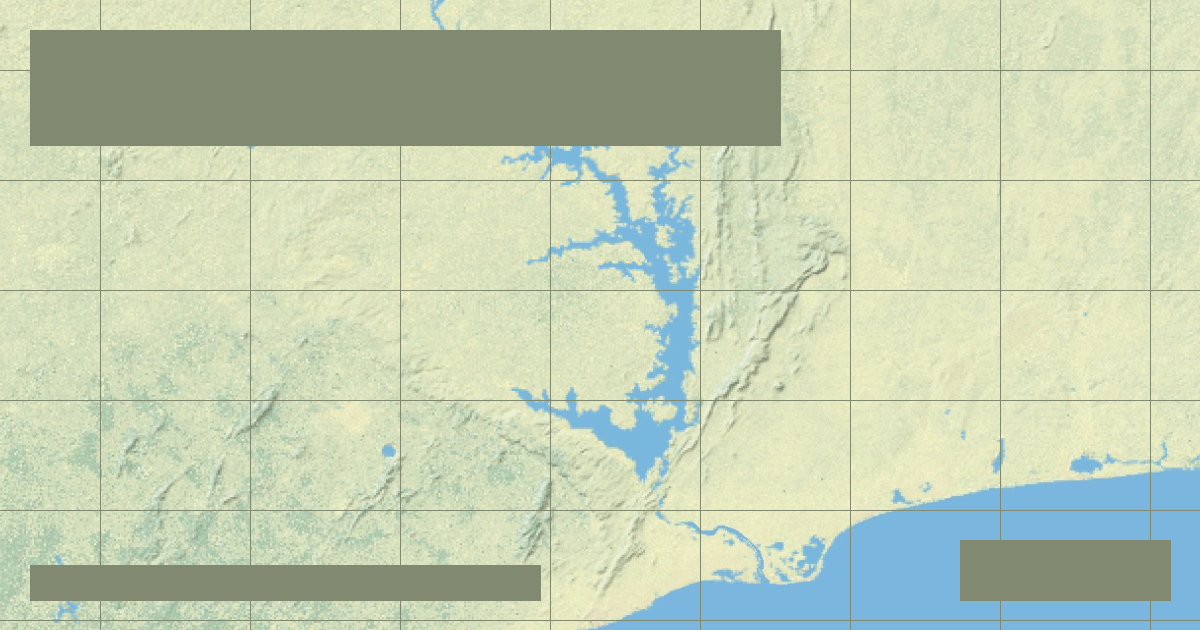
In 1965, the Akosombo Dam flooded 3.6% of Ghana's landmass, creating Lake Volta—the largest artificial reservoir on Earth by surface area (8,502 km²).
The RiverAtlas uses essential cookies and local preferences to provide interactive cartography and analyze content usage according to our privacy guidelines.