Why the Volga Empties into an Inland Lake: Geography of the Endorheic Caspian Basin
Exploring the hydrology of terminal drainage basins, negative elevation sinks, and why Europe's longest river never reaches the world ocean.
Water discharge rates, seasonal flood pulses, drought resilience, and glaciology.
Exploring the hydrology of terminal drainage basins, negative elevation sinks, and why Europe's longest river never reaches the world ocean.

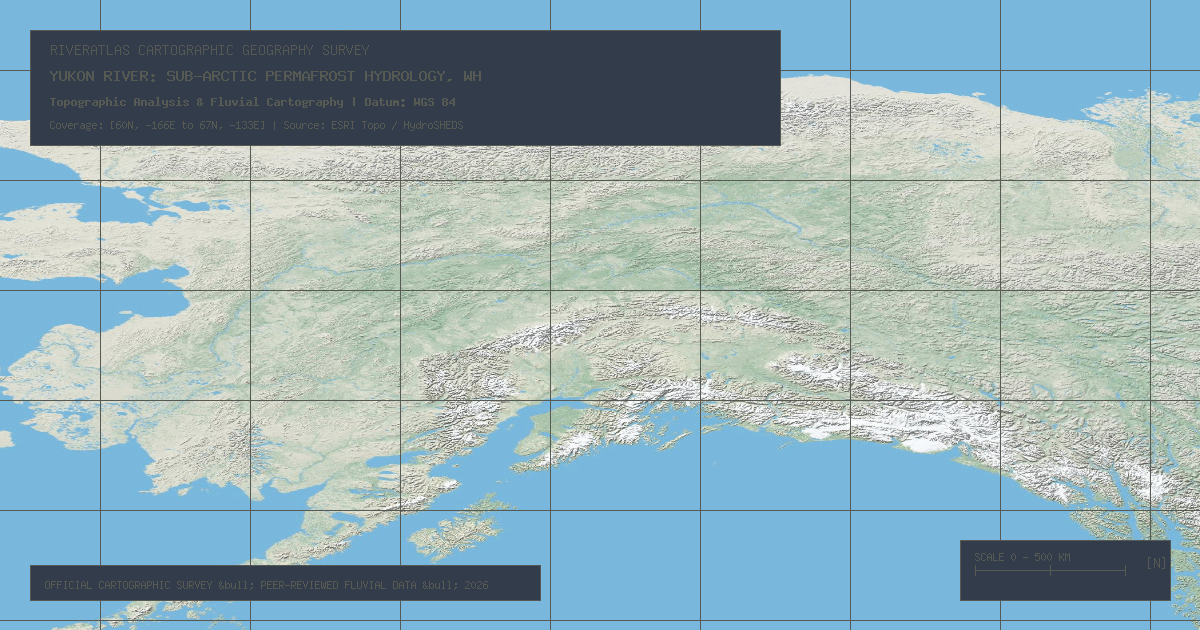
Flowing 1,979 miles through northwestern Canada and Alaska into the Bering Sea, the Yukon River represents one of the largest untamed sub-Arctic watershed ecosystems on Earth.
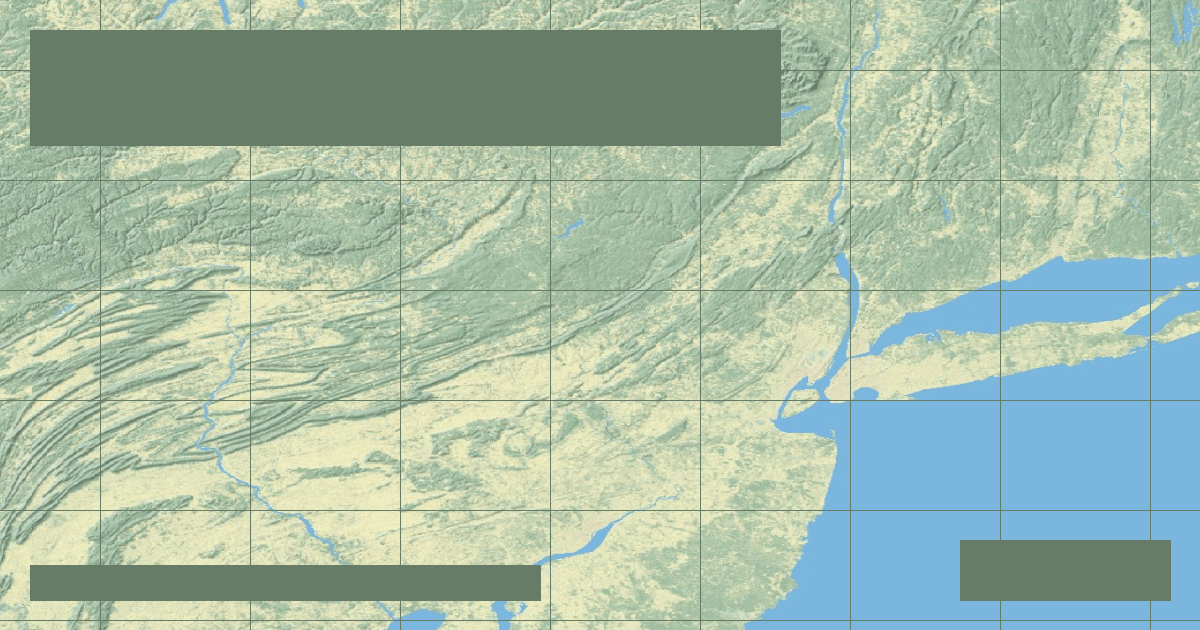
Rising from Lake Tear of the Clouds at 4,293 feet to New York Harbor, the Hudson functions for 153 miles as a brackish tidal fjord shaped by ancient glaciation.
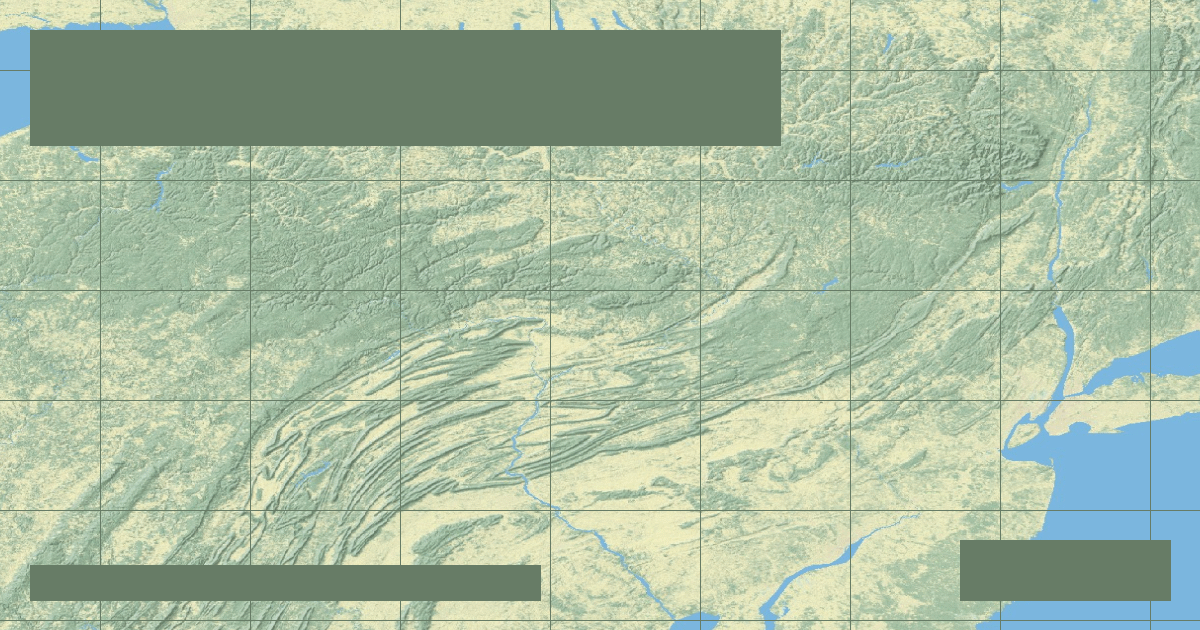
Flowing 444 miles over ancient Paleozoic bedrock, the Susquehanna delivers over 50% of all freshwater entering the ecologically vital Chesapeake Bay.
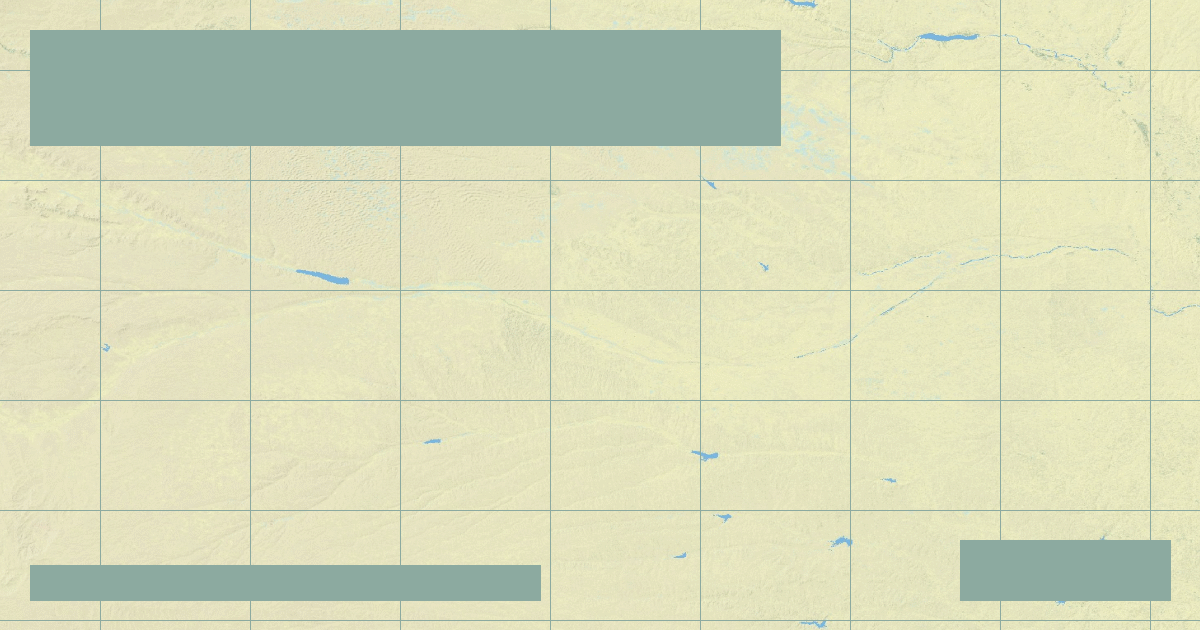
Nebraska's classic wide, shallow braided river hosts over 500,000 migrating sandhill cranes each spring while relying heavily on the overdrawn Ogallala Aquifer.
One of the last major undammed rivers in the eastern US, the Delaware provides 50% of New York City's daily municipal tap water through Catskill aqueducts.
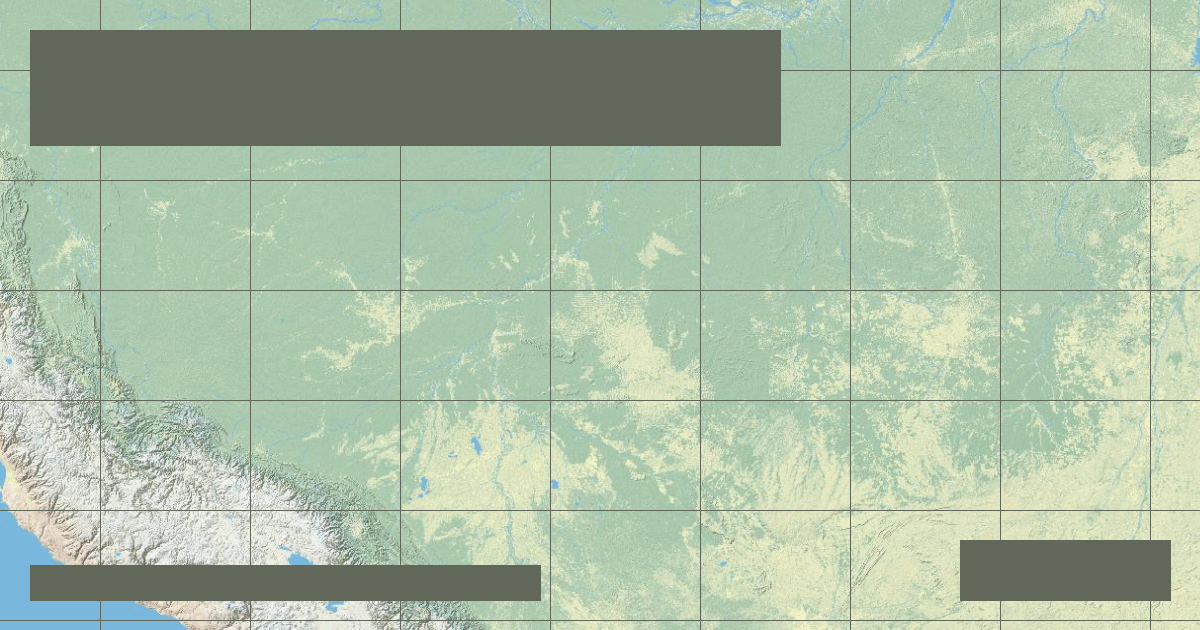
Carrying 50% of the entire Amazon Basin's suspended sediment load from the Bolivian Andes, the 2,100-mile Madeira fuels the Amazon's fertile floodplain ecology.
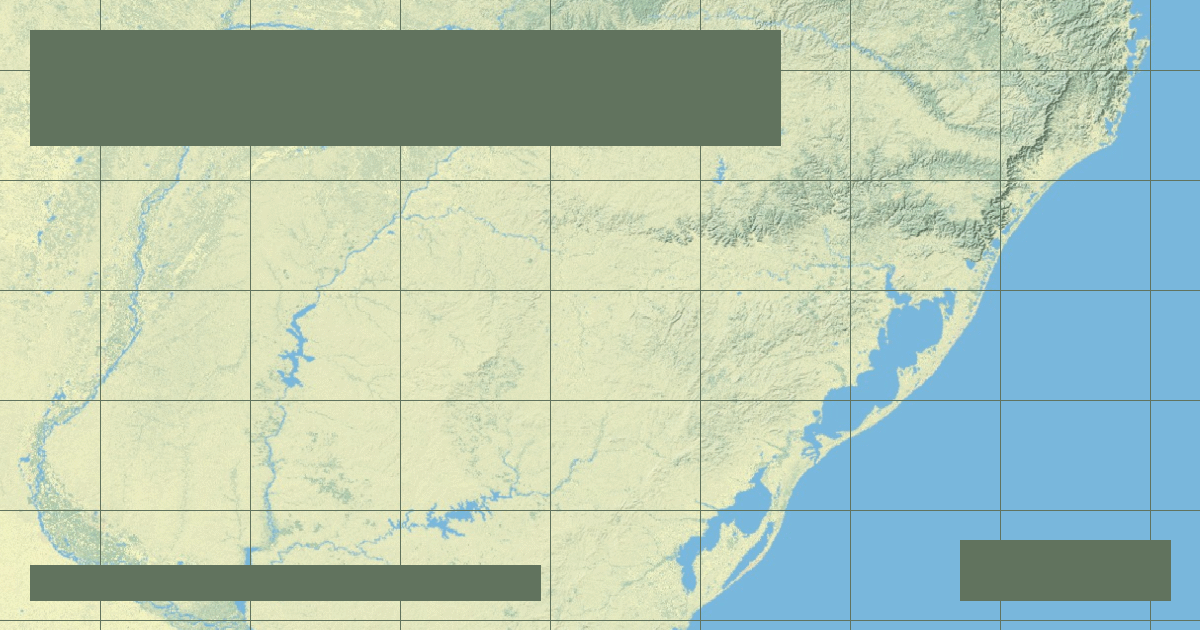
Marking the borders of Brazil, Argentina, and Uruguay over 1,142 miles, the Uruguay River cuts through the Serra Geral basalt plateau into the Río de la Plata.
Flowing 483 miles from Dijon through the chalk plateaus of the Paris Basin, the Seine empties into the English Channel via an engineered deep-draft estuary.
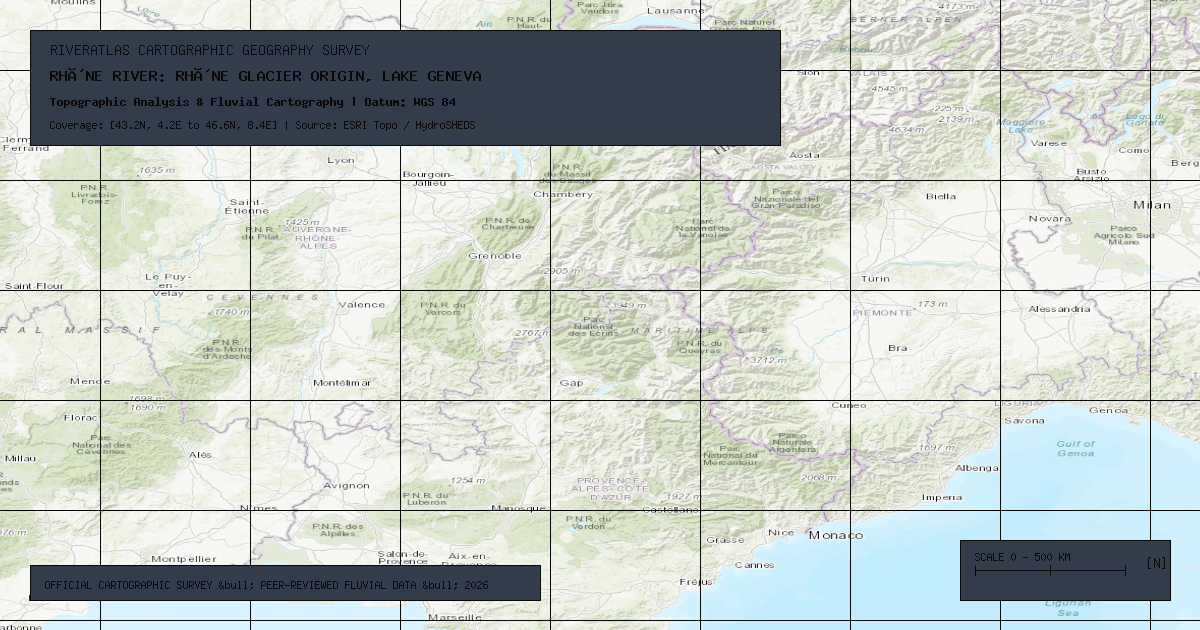
From the melting Rhône Glacier in the Swiss Alps, the 505-mile Rhône purifies its waters in Lake Geneva before terminating in the flamingos and salt marshes of the Camargue Delta.
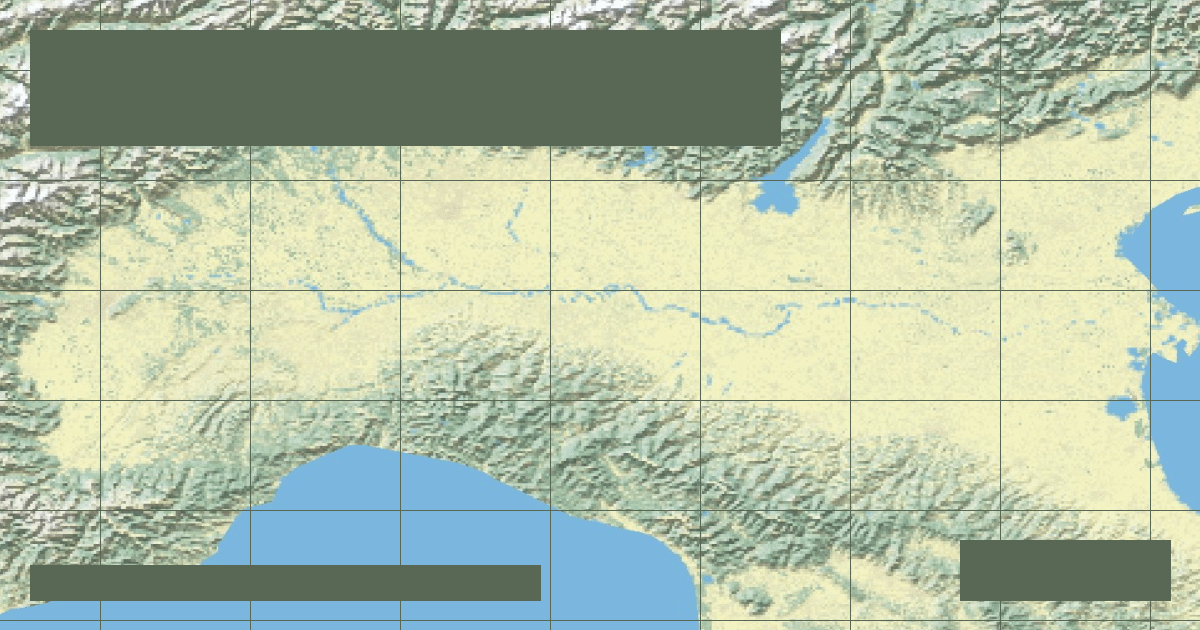
Italy's longest river flows 405 miles from Monviso to the Adriatic Sea, irrigating the Po Valley food bowl while suffering severe climate droughts and sea-level intrusion.
At 220 miles, the Severn features the second-highest tidal range on Earth, generating the world-famous Severn Bore—a surging tidal wave that travels 25 miles upstream.
The RiverAtlas uses essential cookies and local preferences to provide interactive cartography and analyze content usage according to our privacy guidelines.